


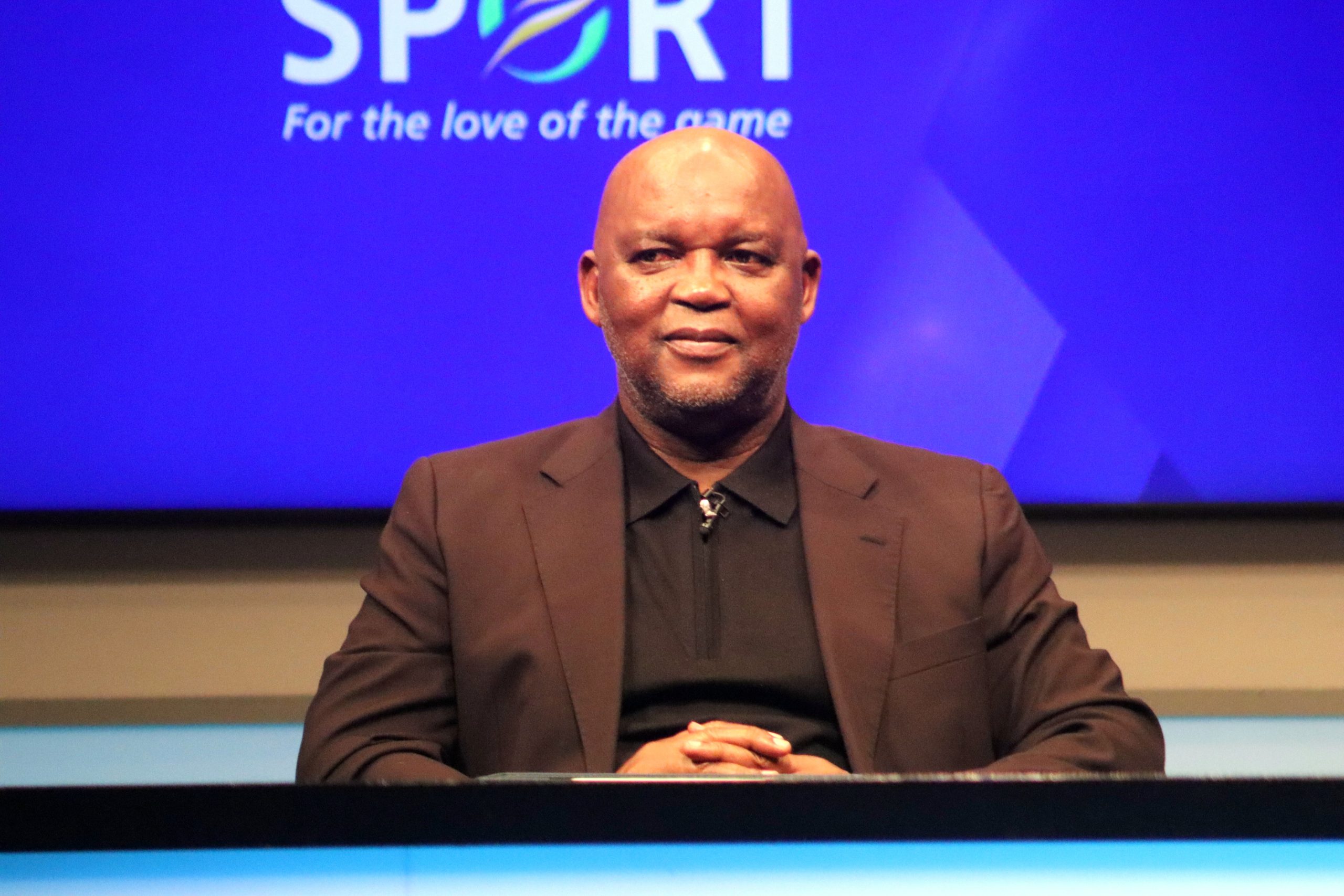
Bafana Bafana head coach Pitso Mosimane has offered insight into the work taking place behind the scenes in the national team setup, explaining how player data, communication with clubs and tactical suitability influence his selection decisions.
Mosimane stressed that selecting players goes beyond looking at their performances on matchdays, revealing that his technical team monitors training intensity, physical conditioning, friendly matches and playing time through data collected at club level.
He explained that GPS tracking devices worn by players during training provide important information about their workloads and physical condition, helping the national team determine whether they are ready for international football.
The things that they put the vest on them, that thing is not for fun. There’s a chip inside that has information. It will tell you how many times he’s trained, the intensity of the training, has he been playing friendly games and how many minutes has he played,” Mosimane said.
He added that communication between the national team and clubs is essential, particularly when assessing players who are not getting regular game time.
We have to be very careful and do what is right for us, for South Africa. We don’t have the luxury of top, top players who are playing at every high level,” he explained.
On the possibility of bringing more players into the national team setup, Mosimane said he wants to expand the player pool and give emerging performers an opportunity to demonstrate whether they can adapt to international football.
Also Read: Mosimane names Bafana final squad for Kenya double header
Using Siyanda Ndlovu as an example, the coach praised his recent club performances, highlighting his contributions in terms of goals and assists. However, he cautioned that club form alone does not guarantee a place in the national team.
“We need to bring them inside the camp, train with them and see them. When we bring you, it doesn’t mean we’re going to play. We acknowledge that you’re doing well. We want to see if you can fit into the setup,” he said.
Mosimane explained that international football comes with different tactical demands, expectations and team dynamics, meaning players must learn to adapt to the national team’s philosophy.
When you come to the national team, you put another chip. That’s how important a national team player has to be, because we don’t do the same thing that the clubs do. We don’t play the same,” he added.
Beyond player selection, Mosimane also raised concerns about the broader development of South African football, particularly the lack of sufficient school football and grassroots structures to nurture young talent.
He pointed to the different development pathways available in other sporting codes, using rugby’s school structures and Craven Week as an example of platforms that help identify and develop players.
If we don’t even have a platform of school football and grassroots, we are bound to have problems,” he said.
The Bafana Bafana coach also acknowledged the financial and resource challenges facing football, noting that building a competitive national team requires work beyond what supporters see on the pitch.
He said he would continue engaging SAFA to push for more opportunities to assess players and strengthen the national team setup, while also working with technical director Molefi Ntseki on the philosophy and principles guiding South Africa’s national teams.